
Tooth Extraction & Wisdom Teeth Removal in Northern Indiana
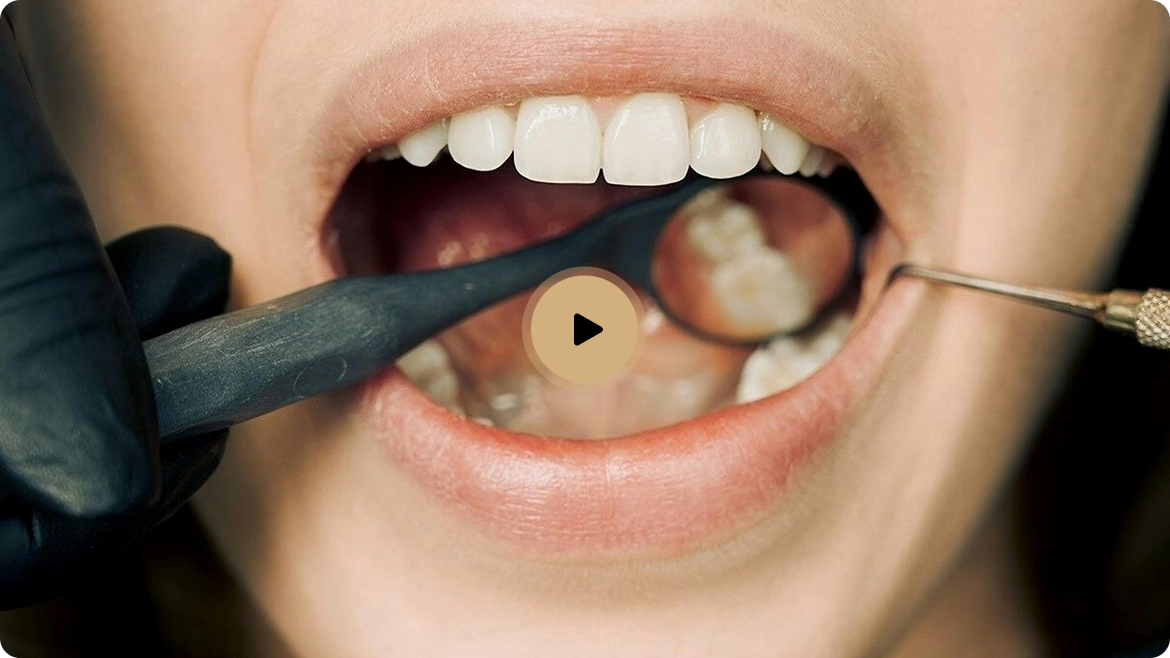
Tooth extraction is a common procedure we provide at Aegis Dental Group to relieve pain and protect your oral health. Whether caused by severe decay, infection, gum disease, or impacted teeth affecting nearby teeth, our experienced team performs extractions with precision and care to prevent further complications and restore your comfort.
When a Tooth Extraction May Be Necessary
Our goal is always to save your natural teeth whenever possible, but in some cases, a tooth extraction may be the best option to protect your oral health and relieve discomfort. Tooth extractions may be recommended for:
- Severe tooth decay or damage
- Advanced gum disease (periodontal disease)
- Impacted teeth, including wisdom teeth
- Overcrowding before orthodontic treatment
- Infection, swelling, or persistent tooth pain
- Dental emergencies involving broken or severely damaged teeth

Types of Tooth Extractions
At Aegis Dental Group, we offer different types of tooth extractions based on your specific dental needs:

Routine Dental Extraction
This procedure is used for teeth that are fully visible and easy to access. To keep you comfortable, the area is first numbed with local anesthesia before the dentist gently loosens and removes the tooth. In some cases, stitches may be placed to support healing. After your procedure, our team will provide detailed aftercare instructions to help ensure a smooth and comfortable recovery. Routine tooth removals are commonly recommended for teeth that are severely decayed, damaged, or contributing to overcrowding.

Surgical & Wisdom Tooth Extractions
This type of extraction is used for teeth that are more difficult to access, such as impacted teeth, wisdom teeth, or teeth with complex root structures. Surgical extractions may require the dentist to carefully remove gum tissue, bone, or section the tooth into smaller pieces to safely remove it. To help you feel relaxed and comfortable throughout the procedure, sedation options are available. Following treatment, our team will provide detailed aftercare instructions and ongoing support to help promote proper healing and a smooth recovery.
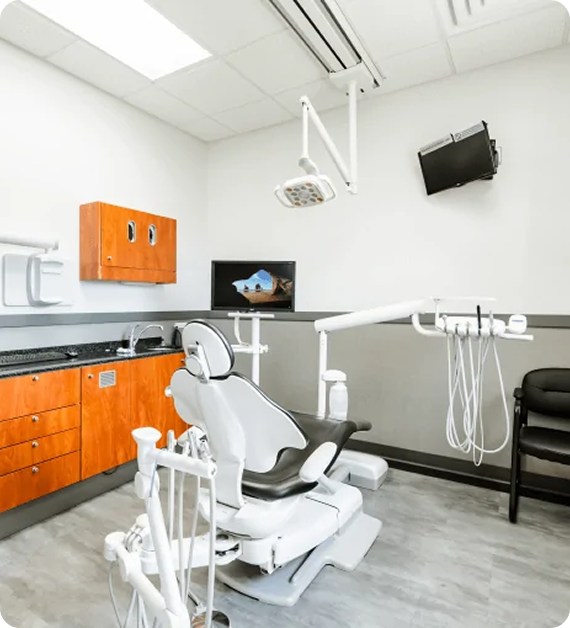
Emergency Tooth Extraction Care
If you are experiencing pain or think you may need an emergency extraction, our team is here to help.
We offer free consultations to evaluate your symptoms, discuss your treatment options, and determine the best course of care for your oral health.
Our goal is to provide the treatment you need in a comfortable, supportive environment. Flexible financing options are also available to help make care more manageable.
Wisdom Teeth Removal
Wisdom teeth are the third molars at the back of the mouth, and they usually begin to come in during late adolescence or early adulthood. When there isn’t enough room for them to sit properly, they can cause pain, swelling, jaw stiffness, difficulty chewing, and crowding of the teeth around them.
Wisdom teeth aren’t always a problem. They become one when they come in at the wrong angle or can’t fully emerge — at which point removing them relieves the pain and protects the teeth beside them. Removal is a routine procedure, and one we perform regularly at all three of our offices.

Understanding Wisdom Tooth Impaction
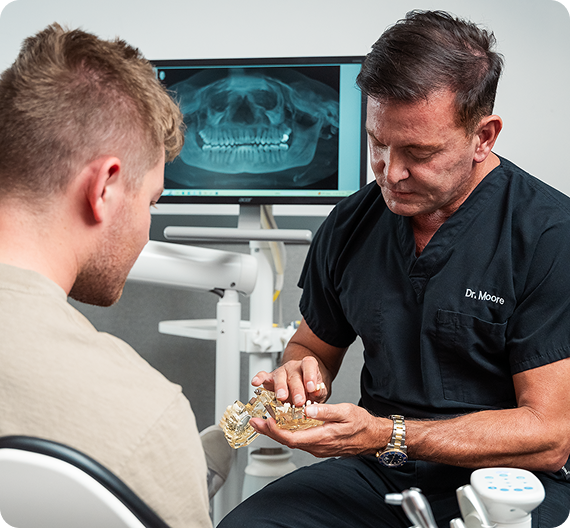
An impacted wisdom tooth is one that can’t emerge in the right position. Some grow at an angle and press against the neighboring tooth; others stay trapped beneath the gum entirely. Impaction is the most common reason wisdom teeth become painful, and the type of impaction determines how the tooth is best removed.
Different Types of Wisdom Tooth Impaction
Here are four of the most common types:

Mesial Impaction
Also called angular impaction. The tooth grows diagonally, angled toward the front of the mouth. This is the most common type.

Horizontal Impaction
The tooth lies on its side beneath the gum, often pressing directly into the tooth next to it. This is usually the most painful type, and it generally requires surgical removal.

Vertical Impaction
The tooth is in the correct upright position but remains partly or fully below the gum line. This doesn’t always cause pain, and removal isn’t always necessary.

Distal Impaction
Like mesial impaction, the tooth grows at an angle — but points toward the back of the mouth instead of the front.
A 3D X-ray taken at your consultation shows us exactly how each wisdom tooth is positioned, so we can plan the removal before treatment begins.
Tooth Extraction FAQs
Answers to the questions patients ask most often about tooth extraction and recovery.
Root Canal or Pull Tooth
A root canal is often the preferred option because it preserves the natural tooth and prevents alignment issues or bone loss that can occur with an extraction. However, pulling the tooth might be necessary if the damage or infection is too severe to repair.
Why Do I Feel Pain After Tooth Extraction?
Pain after a tooth extraction is normal and usually results from the body’s natural healing process. Swelling, inflammation, and sensitivity in the area can contribute to discomfort for a few days following the procedure.
How Long Does Pain Last After Tooth Extraction?
Pain typically subsides within 1 to 3 days after a tooth extraction, though mild discomfort may linger for up to a week. If pain worsens or persists beyond this, it could indicate a complication such as a dry socket or infection.
How to Relieve Pain After Tooth Extraction
Over-the-counter pain relievers, cold compresses, and resting with your head elevated can help manage discomfort. Avoid strenuous activity and follow your dentist’s aftercare instructions for optimal healing
Is Post-Tooth Extraction Pain Normal?
Yes, experiencing some pain after a tooth extraction is completely normal and part of the healing process. However, severe or worsening pain may indicate an issue that requires dental attention.
Is Ear and Jaw Pain After Tooth Extraction Normal?
Mild ear and jaw pain can occur after a tooth extraction due to referred pain or muscle strain from keeping the mouth open during the procedure. Persistent or severe pain should be evaluated by a dentist.
What Foods to Eat After Tooth Extraction
Soft foods like mashed potatoes, yogurt, soup, and applesauce are ideal after a tooth extraction. Avoid hard, crunchy, or hot foods that irritate the extraction site or disrupt healing.