


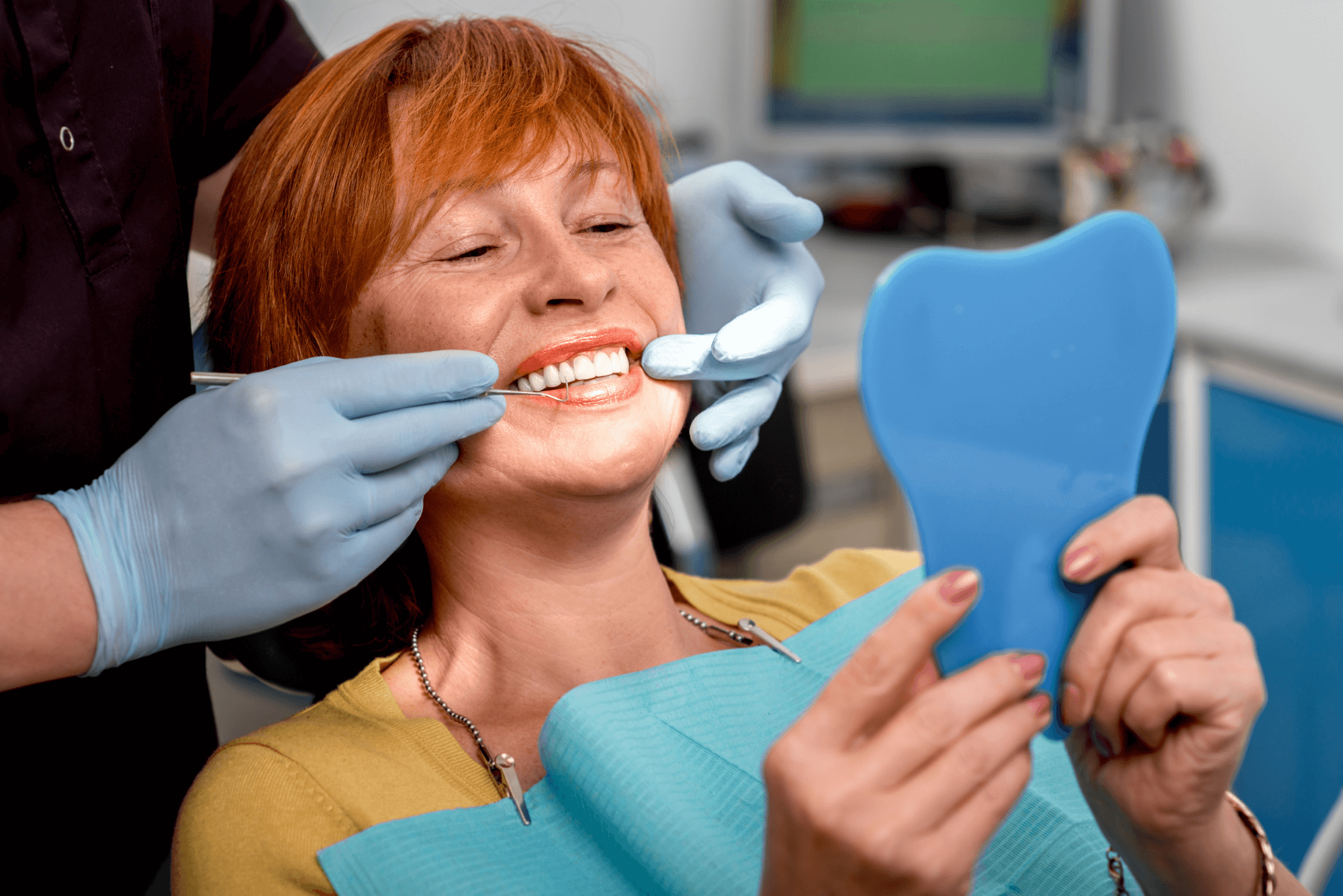
Who among us doesn’t want a beautiful smile and, at some point, has thought about seeing a cosmetic dentist? Maybe it starts with teeth whitening after years of coffee or wine. Maybe it’s veneers to fix chips or uneven edges that have always bothered you. Cosmetic dentistry focuses on improving how your smile looks in ways that feel personal and intentional, not overdone. In the outline below, we’ll look at what a cosmetic dentist does and if it’s right for you.
Why Would You Need a Cosmetic Dentist?
If you look in the mirror, smile, and don’t like what you see, you’re not alone. There are often specific reasons people turn to cosmetic dentistry, as outlined below.
- Teeth that are stained and uneven in color
- Chips, cracks, or worn edges caused by everyday use
- Gaps or spacing that draws negative attention to your smile
- Teeth that appear crooked or out of alignment
- A smile that affects confidence in photos or face-to-face interactions
Understanding what a cosmetic dentist actually does can help you decide whether it’s the right choice for you, so let’s take a closer look at what a cosmetic dentist does.
Services Provided by a Cosmetic Dentist
Cosmetic dentistry includes several treatment options designed to address aesthetic concerns about your teeth. Below is a breakdown of the services a cosmetic dentist commonly provides and how they are used.
Smile Assessment and Treatment Planning
A cosmetic dentist starts by examining your teeth, gums, and bite. They also consider how your smile fits your face. This helps them understand what can be improved and what should be left alone.
From there, the dentist talks with you about what you want to change. Some people wish to have brighter teeth. Others want to fix chips, gaps, or uneven edges. In some instances, images or previews are used to show what different options might look like before treatment begins.
Teeth Whitening and Brightening
Teeth whitening is one of the most common cost-effective ways to improve your smile, and as such, it’s the most popular cosmetic dentistry procedure. A cosmetic dentist can help remove stains that build up over time from food, drinks, or natural aging.
Some whitening teeth treatments are done in the dental office, while others use custom trays for at-home use. The goal is to brighten the teeth evenly while avoiding the sensitivity and uneven results that can come from over-the-counter products.
Veneers and Bonding
Veneers and dental bonding are used to change the shape or appearance of individual teeth. Porcelain veneers are thin shells applied over the front of a tooth. While similar to veneers, bonding involves applying a tooth-colored composite resin directly to the tooth, which the cosmetic dentist then shapes.
These treatments are often used to repair chips and close small gaps. They can also help improve symmetry and create a more balanced-looking smile without major dental work.
Dental Crowns and Implants
Dental crowns are best used when a tooth needs both cosmetic improvement and added strength. A cosmetic dentist will use a crown for a damaged tooth or one that is simply worn down from use. Cosmetic crowns match the color and shape of natural teeth. This allows the restored tooth to blend in with the rest of the smile while still providing long-term durability and function.
Dental implants may be used in cosmetic dentistry when missing teeth affect the appearance of a smile. The procedure involves placing a small post in the jawbone, which supports a replacement tooth designed to look natural and blend with the surrounding teeth.
Dentures as a Cosmetic Dental Option
Dentures are used when teeth are missing, and replacement is needed to improve the appearance of a smile. A cosmetic dentist may recommend dentures when appearance and basic function both need to be addressed.
Today’s dentures are designed to look more natural than earlier versions. They are shaped to suit the face and matched to natural tooth color. Modern dentures are created to look as real as possible. A patient might need to replace a few teeth or an entire set. It depends on what they need.
Invisalign and Cosmetic Orthodontics for Crooked Teeth
Cosmetic orthodontic treatments focus on improving alignment in a way that is less noticeable. For example, Invisalign and similar treatments use clear aligners to shift misaligned teeth into a better position gradually.
These treatments are often chosen to correct spacing or minor bite issues. Because the aligners are removable and discreet, many adults prefer them over traditional braces.
Gum Contouring and Smile Line Adjustments
Gum contouring reshapes the gum line and frames the teeth in a more natural and flattering way. A cosmetic dentist may recommend this when the gums are uneven or cover too much of the teeth.
By adjusting the gum line, teeth can look more balanced in size and proportion. This can help create a smoother, more even smile line without changing the teeth themselves.
Will My Insurance Cover Cosmetic Dentistry Treatments?
Insurance coverage for cosmetic dental procedures depends on several factors and varies by provider.
- Most purely cosmetic procedures won’t be covered by dental insurance
- Treatments that also restore function may qualify for partial coverage
- Coverage often depends on whether the procedure is considered medically necessary
- Insurance policies differ in how cosmetic dentistry is defined and ultimately correctly coded for insurance purposes
Out-of-pocket costs may vary based on the specific treatment. Look over your insurance policy to determine exactly what is covered and what isn’t. Other payment options include financing, often offered in a dentist’s office. However, these loans include interest and will require a credit check.
Get the Smile of Your Dreams in Indiana Today
Choosing cosmetic dental care often starts with a conversation. At Aegis Dental Group, patients can explore their options with dentists who focus on the most up-to-date cosmetic advancements to give them the smile they’ve been wanting.
If you’d like to take the next step, schedule an appointment online or by calling (833) 2-TRUSTED. We’re available to answer questions and give you reliable information to help you make your decisions moving forward.