
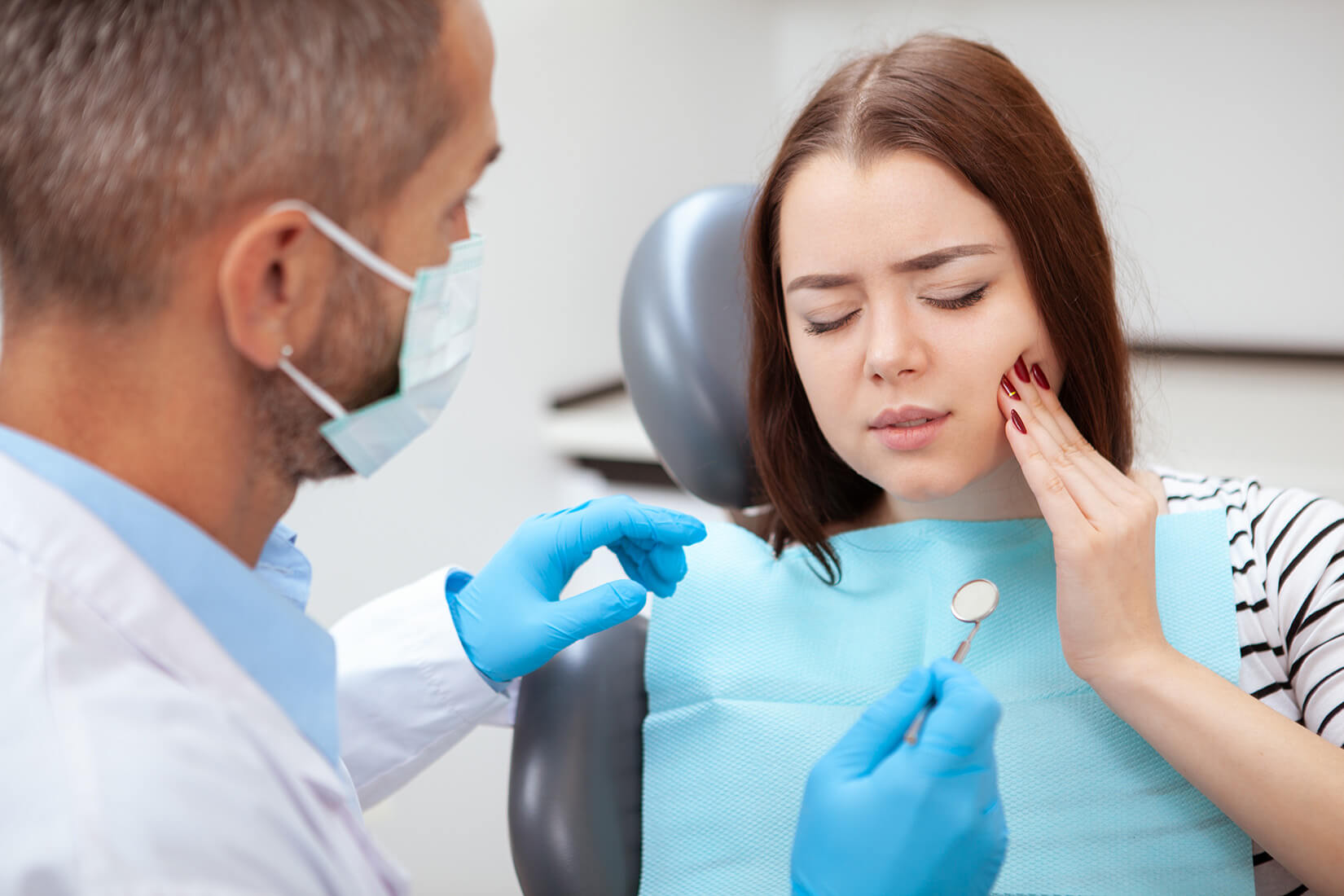
If you’re experiencing sudden tooth pain, a broken tooth, swelling, or dental trauma, it can feel overwhelming. When you’re on your way to receive same-day emergency dental care, it’s important to stay calm and take the right steps to protect your oral health. Knowing what to do while heading to your emergency dental appointment can help reduce pain, prevent further damage, and improve the outcome of your treatment.
Dental emergencies rarely happen at convenient times, but being prepared can make all the difference. Here’s what you should do while making your way to an emergency dentist.
First Step: Find a Trusted Emergency Dentist
As soon as you realize you’re dealing with a dental emergency, contact a trusted emergency dentist in your area. If you’re located in Northern Indiana, you can call Aegis Dental Group or come in for a walk-in visit to request urgent care and receive guidance on what to do next.
Calling ahead allows the dental team to:
- Prepare for your arrival
- Reserve time in the schedule
- Provide immediate instructions based on your specific situation
Avoid delaying care. Even issues that seem minor at first can quickly worsen without professional attention. If you are in severe pain, bleeding heavily, or feeling dizzy, ask someone to drive you. Your safety comes first.
Stay Calm and Assess the Situation
Before leaving for your appointment, take a moment to assess what happened:
- Is there bleeding?
- Is a tooth loose or completely knocked out?
- Are you experiencing swelling or intense pain?
Taking a few steady breaths can help you think clearly. Anxiety can intensify discomfort, so staying as calm as possible will help you manage the situation more effectively until you reach the dental office.
If You Have a Knocked-Out Tooth
A knocked-out tooth requires immediate action. The faster you get to a dental office, the better the chances of saving the tooth.
On your way:
- Pick up the tooth by the crown (the chewing surface), not the root
- Gently rinse it with water if dirty — do not scrub or remove tissue
- If possible, carefully place it back in the socket
- If reinserting isn’t possible, store it in a cup or container with milk or saliva
- Try to reach the dentist within 30–60 minutes
Quick and proper handling significantly improves the likelihood of successful reattachment.
If You Have a Cracked or Broken Tooth
A cracked or broken tooth can expose sensitive inner layers and increase the risk of infection.
Before and while heading to your appointment:
- Rinse your mouth gently with warm water
- Apply gauze with light pressure if bleeding
- Use a cold compress on the outside of your cheek to reduce swelling
- Save any broken pieces and bring them with you
Avoid chewing on the affected side and avoid hard or sticky foods.
If You’re Experiencing Severe Tooth Pain
Persistent or throbbing tooth pain may signal deep decay, nerve damage, or infection.
To manage discomfort while traveling to the dentist:
- Rinse with warm saltwater
- Gently floss to remove trapped food particles
- Take over-the-counter pain medication as directed
- Apply a cold compress for 10–15 minutes at a time
While placing aspirin directly on the gums is a popular home remedy for tooth pain, it should not be attempted. This can irritate the soft tissue and potentially cause chemical burns. Persistent pain is a clear sign that professional dental care is needed promptly.
If You Notice Swelling or Signs of Infection
Facial swelling, gum swelling, or a small bump on the gums could indicate an abscess, an infection that should be addressed immediately.
While heading to your emergency visit:
- Rinse with warm saltwater.
- Apply a cold compress externally.
- Do not attempt to pop or drain the area.
- Seek immediate help if you develop fever, difficulty swallowing, or breathing issues.
Dental infections can spread, so professional care is essential.
If You’ve Lost a Filling or Crown
A missing filling or crown leaves the tooth vulnerable and sensitive.
Before arriving at the dental office:
- Keep the crown if you still have it.
- Temporary dental cement from a pharmacy may help protect the area.
- Avoid chewing on that side.
- Keep the area clean with gentle brushing.
Even if discomfort is mild, prompt repair prevents further damage.
How to Handle Bleeding
If your emergency involves bleeding:
- Apply firm, steady pressure with clean gauze.
- Hold pressure for at least 10–15 minutes.
- Continue pressure while traveling if necessary.
If bleeding is heavy or does not slow, inform the dental office immediately.
Avoid These Common Mistakes
During a dental emergency, avoid:
- Attempting DIY repairs
- Using sharp objects on the affected area
- Applying heat to swelling
- Ignoring ongoing pain
- Waiting several days to seek treatment
Prompt professional care offers the best chance of preserving your tooth and preventing complications.
Compassionate Emergency Care When You Need It
Dental emergencies require quick action and experienced care. At Aegis Dental Group, we provide emergency dental services for patients throughout Northern Indiana. Our team understands how stressful urgent dental issues can be, and we work to accommodate same-day emergency appointments whenever possible.
We focus on relieving discomfort quickly, identifying the cause of the problem, and recommending the most appropriate treatment to restore your oral health.
Schedule Emergency Care Today With Dentists You Can Trust
If you’re experiencing a dental emergency, don’t wait. Contact Aegis Dental Group to request urgent treatment at one of our Northern Indiana locations in Goshen, Warsaw, and Fort Wayne.We are committed to providing responsive, high-quality emergency dental care to our communities. Call us or request an appointment online and let our team help you protect your smile and restore your comfort as quickly as possible.